Raised bed gardening is a fantastic way to maximize your space and boost your harvest, making gardening more enjoyable and productive. In this guide, we’ve compiled 10 easy layouts that are perfect for any gardener, whether you’re a newbie or have some experience under your belt. Get ready to discover simple designs that not only look great but also work wonders for your plants!
Triangular Raised Bed Formation
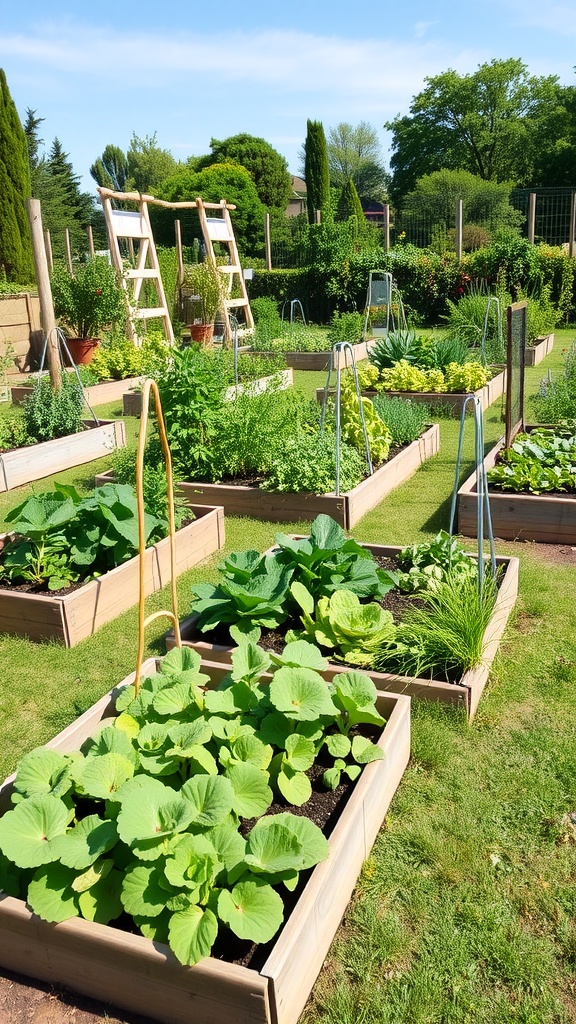
The triangular raised bed formation is a unique and practical layout for maximizing your garden space. This design allows for easy access to plants while making efficient use of the available area.
In the image, you can see several raised beds arranged in a triangular pattern. This shape is not only visually appealing but also helps in managing different types of plants. For example, you can group taller plants in the center and shorter ones around the edges, ensuring that every plant gets its share of sunlight.
The layout promotes good air circulation and drainage, essential for healthy growth. With the right planning, you can create a vibrant garden filled with various herbs, vegetables, and flowers. Plus, the triangular design can fit well into different garden sizes, making it adaptable for any backyard.
Companion Planting Design
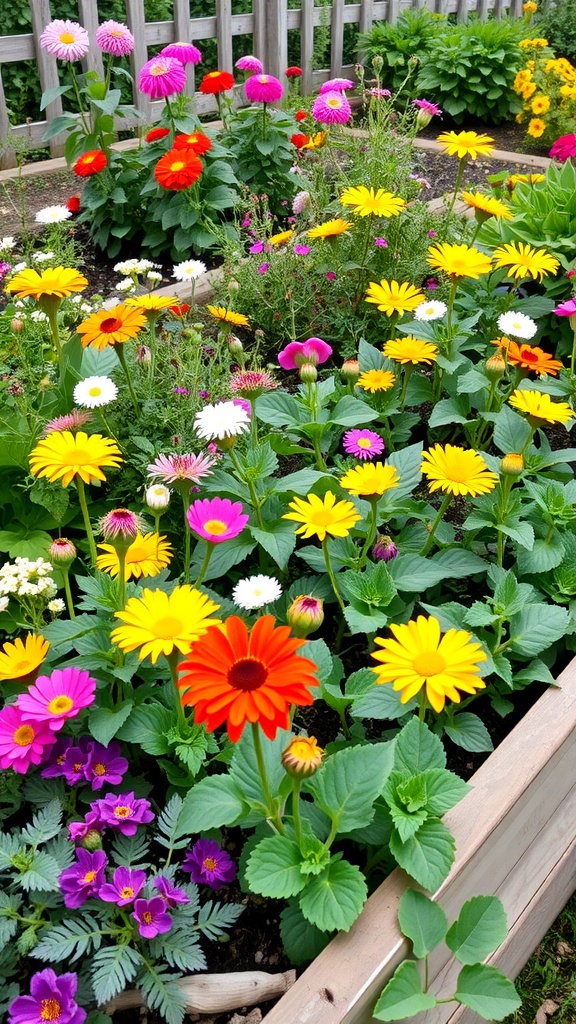
Companion planting is a fantastic way to boost your garden’s productivity while keeping it visually appealing. The vibrant image shows a colorful raised bed brimming with flowers, which can serve multiple purposes. Flowers not only attract pollinators but also help deter pests. This creates a thriving ecosystem in your garden.
Incorporating flowers like marigolds and zinnias alongside your vegetables can enhance growth and flavor. For instance, marigolds are known to repel nematodes, while zinnias add beauty and attract beneficial insects. This combination creates a lively garden that works efficiently for you.
When planning your layout, think about the height and spread of your plants. Taller flowers can provide shade for shorter plants, while low-growing varieties can cover the soil to prevent weeds. Mixing colors and shapes adds dynamics to your raised bed, making your gardening experience even more enjoyable.
Raised Bed Row System
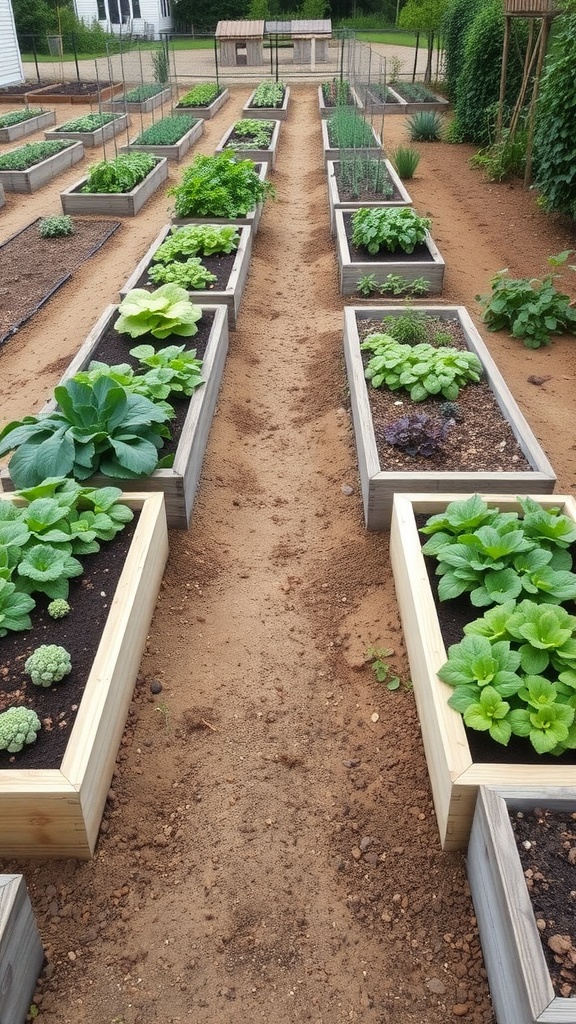
The raised bed row system is a fantastic way to maximize your garden’s output. This layout consists of multiple raised beds lined up in rows, allowing easy access to all plants. The image shows a well-organized garden with several rectangular beds filled with a variety of leafy greens and herbs.
These beds are separated by pathways, making it simple to walk through the garden and tend to the plants. The neat arrangement helps with airflow and sunlight, which are essential for healthy growth. You can see how the rows create a structured look while still being practical.
This system is perfect for those who want to grow a lot in a small space. Each bed can be dedicated to specific crops, helping you rotate and maintain your soil’s health. Plus, it makes harvesting a breeze!
Square Foot Gardening Layout
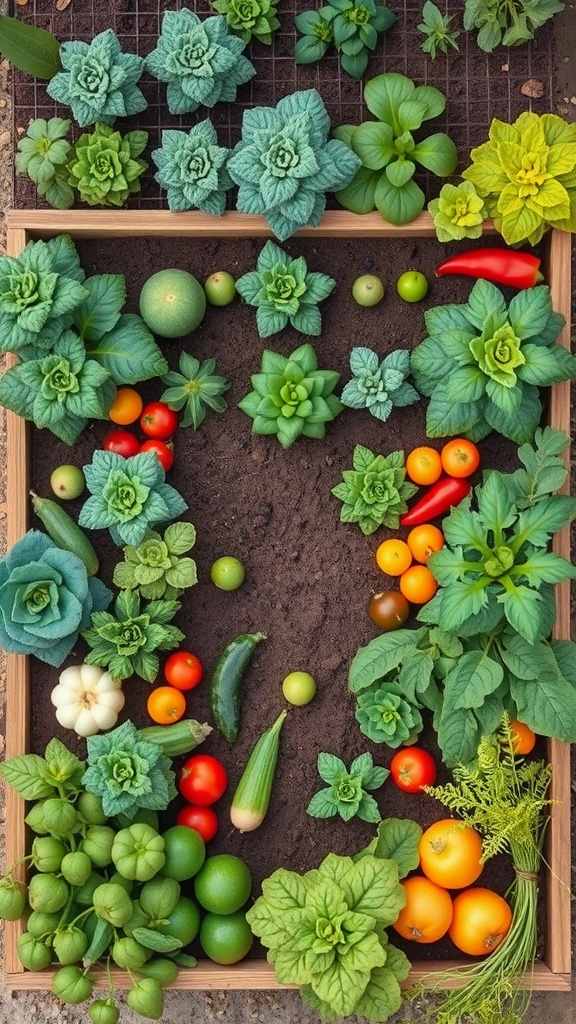
The Square Foot Gardening layout is a fantastic way to maximize your harvest in a limited space. This layout divides the garden into square foot sections, allowing you to plant multiple crops in a small area.
In the image, you can see vibrant greens and colorful vegetables arranged neatly within a raised bed. Each square foot is utilized effectively, showcasing a variety of plants. This not only looks beautiful but also promotes healthy growth by ensuring adequate spacing.
With this method, you can grow a range of crops, from leafy greens to fruits, all in one compact area. It’s perfect for beginners and seasoned gardeners alike who want to make the most of their gardening efforts.
Using this layout, you can easily track what you have planted and rotate crops each season. By planning ahead, your garden will be both productive and visually appealing!
Keyhole Garden Concept
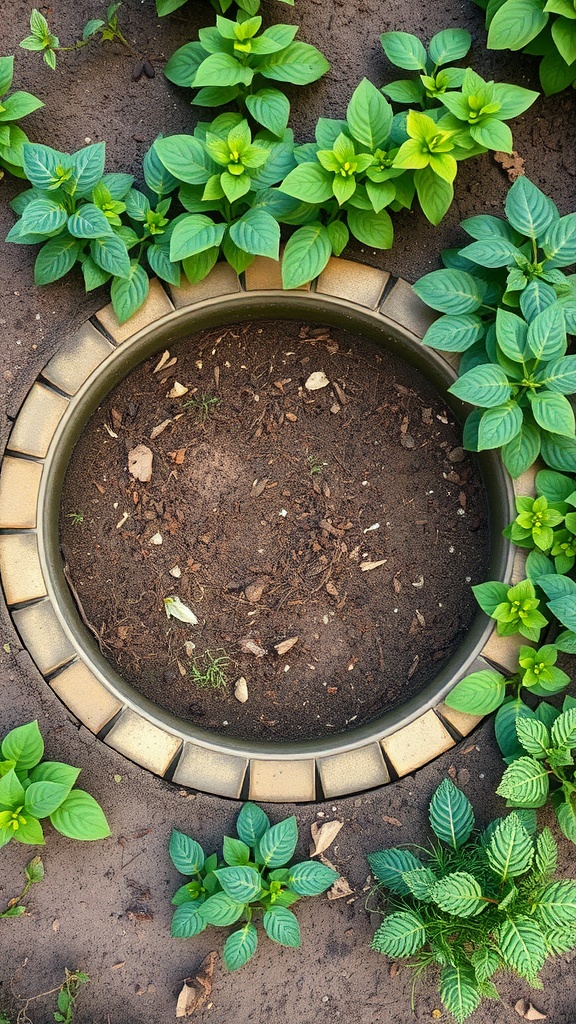
The keyhole garden is a smart and efficient design, perfect for maximizing your growing space. This layout features a circular bed with a central compost basket, allowing easy access to plants and nutrients.
In the image, you can see the circular shape, surrounded by healthy, lush greenery. The plants are arranged closely, optimizing space while ensuring they receive ample sunlight. The compost basket in the middle plays a vital role in enriching the soil, which helps the plants thrive.
This method is not only practical but also visually appealing. It encourages you to grow a variety of plants, from vegetables to herbs. Plus, it’s a fun project that can easily fit into any backyard or garden space!
Layered Vertical Gardening
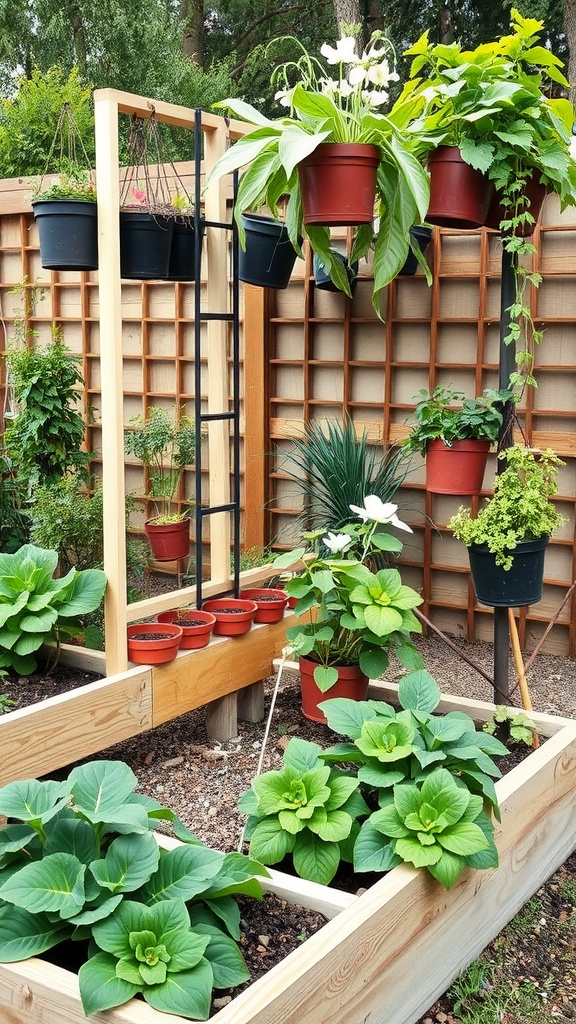
Layered vertical gardening is a creative way to maximize space while growing a variety of plants. This technique allows you to use vertical structures to elevate plants above the ground, making it easier to care for them and increasing your harvest.
The image showcases a beautiful example of layered vertical gardening. There are several hanging pots filled with vibrant plants, adding a splash of color to the area. The vertical setup not only looks great but also saves ground space.
In the foreground, you can see lush green leaves of plants thriving in well-organized raised beds. The variety of heights in the arrangement promotes healthy growth by allowing different plants to access sunlight without overshadowing one another. This method is especially useful for small gardens.
The wooden frame holding the pots is a simple yet effective solution for maximizing space. You can easily replicate this layout by using similar structures in your own garden. This approach creates a visually appealing garden that is functional and productive.
Intercropping Strategy
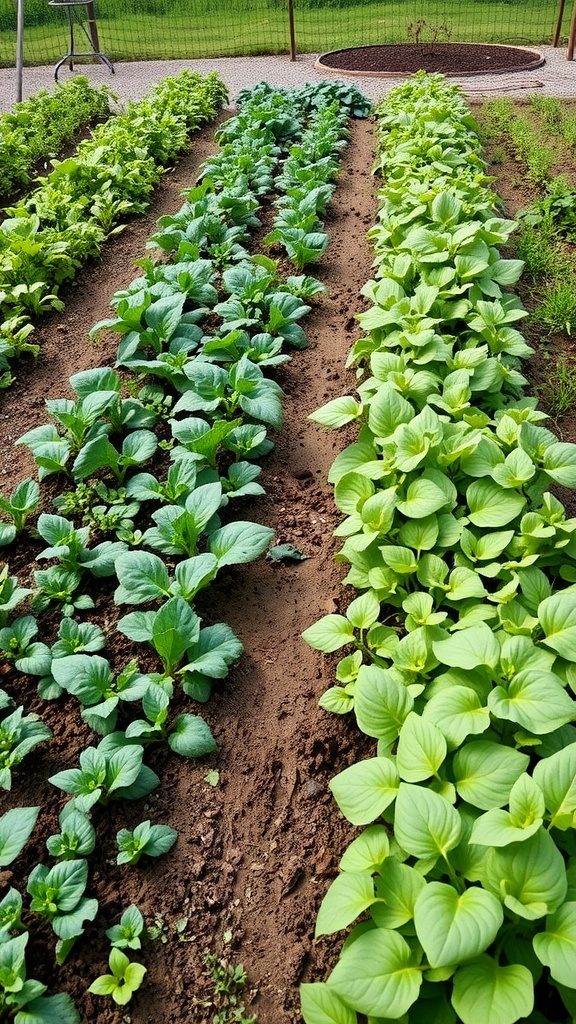
Intercropping is a fantastic way to maximize your garden’s productivity. The image shows a beautifully organized raised bed with different types of leafy greens growing side by side. This layout is perfect for intercropping, where you plant complementary crops next to each other.
In the picture, you can spot rows of greens, each thriving in its own space. This strategy not only helps with space management but also helps deter pests and diseases. For example, planting stronger-smelling herbs alongside lettuce can keep pests at bay while providing a tasty addition to your meals.
When you interplant, like the image illustrates, you can harvest multiple types of veggies from the same space. It’s a win-win! By mixing fast-growing crops with slower ones, you can ensure continual harvests throughout the growing season. This method is not just efficient; it’s also visually appealing, bringing variety and color to your garden.
Herb Spiral Bed
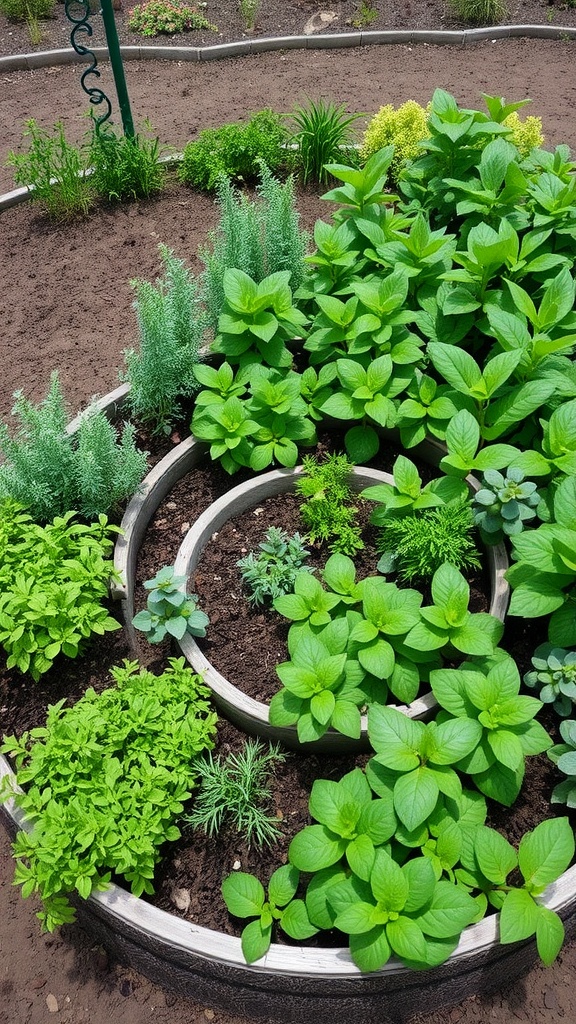
The herb spiral bed is not just a feast for the eyes; it’s a smart way to grow a variety of herbs in a compact space. This design allows for different microclimates, meaning herbs that love sun can thrive alongside those that prefer a bit of shade.
In the image, you can see a beautifully arranged spiral of green plants. The varying heights and shapes of the herbs add to the visual interest. From the lush leaves of mint and basil to the finer textures of dill and thyme, this layout makes it easy to access your favorite herbs while maximizing growth.
Building an herb spiral is fairly simple. Start by gathering materials like bricks or stones to form the spiral shape. Fill the structure with quality soil, and then plant your herbs in layers, with taller plants on the outside and shorter ones on the inside. This setup not only saves space but also creates a stunning centerpiece for your garden.
When planning your herb spiral, think about what herbs you use most in your cooking. Having them fresh and within reach can inspire you to whip up delicious dishes. Plus, the spiral design makes watering efficient, as moisture can travel down through the layers.
Sunken Raised Bed Design
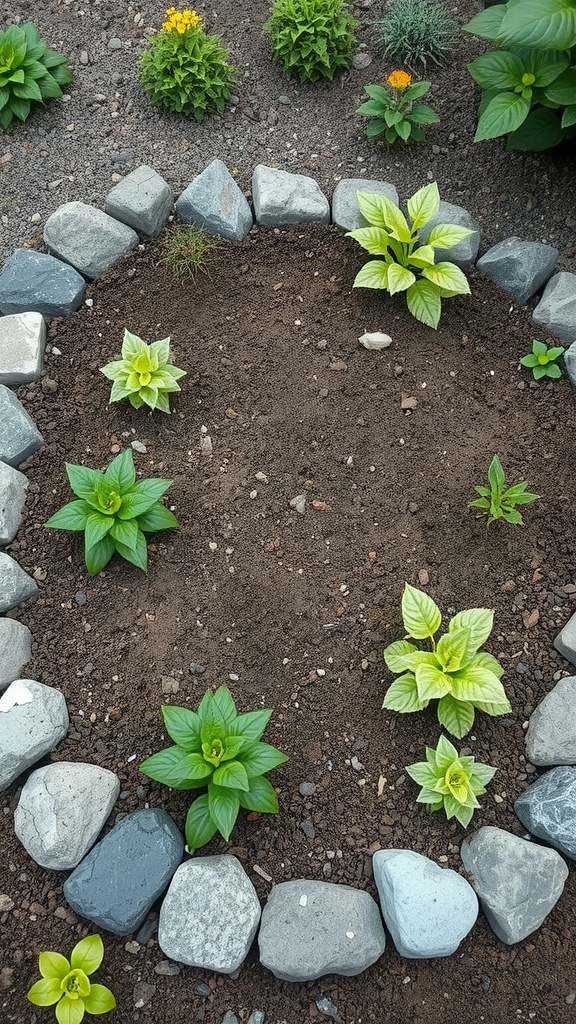
Sunken raised beds are a fantastic option for gardeners looking to maximize their space and yield. This design involves digging down into the ground to create a bed that sits lower than the surrounding soil. This can help with moisture retention and make it easier to manage soil temperature.
In the image, we see a beautifully arranged sunken garden bed, surrounded by stones that create a natural border. The dark soil is ready for planting, and a variety of plants are thoughtfully placed within the space. The plants are positioned to ensure optimal growth and accessibility.
By incorporating sunken beds into your garden layout, you’ll find that they can be easier to tend to. You can sit on the edges while planting or weeding, which reduces strain. Plus, the surrounding plants enhance the aesthetics and provide additional layers of biodiversity.
This design is also beneficial for areas with heavy rainfall, as it helps manage drainage. In a sunken raised bed, water can soak in more effectively, reducing erosion and keeping your plants healthy. Overall, it’s a win-win!
Pollinator-Friendly Bed Arrangement
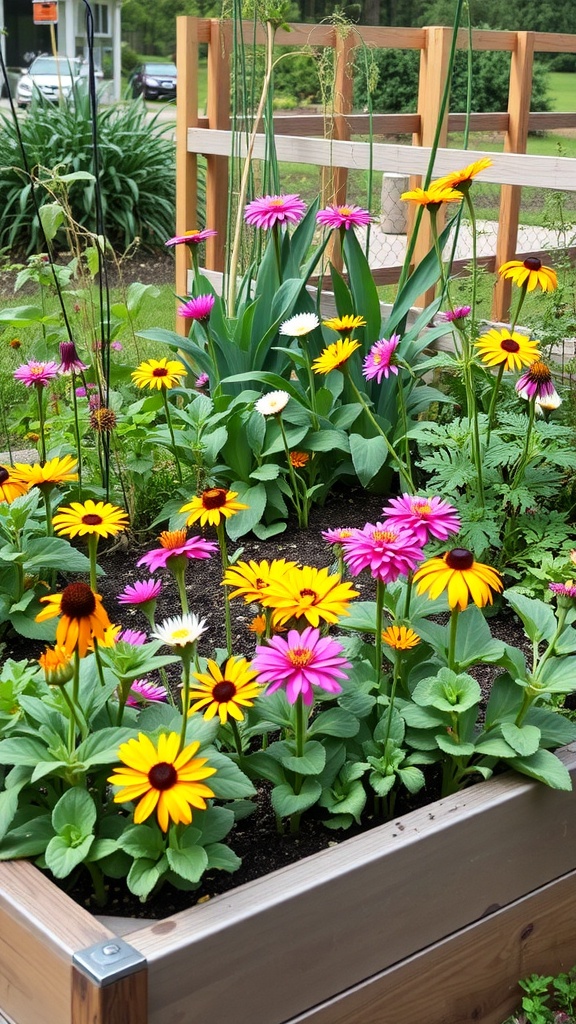
Creating a pollinator-friendly garden is a fantastic way to attract beneficial insects and improve your harvest. The image showcases a vibrant raised bed filled with colorful flowers. The mix of pink, yellow, and orange blooms creates a lively atmosphere, making it appealing not just for humans but also for bees and butterflies.
In a raised bed like this, you can choose flowers that bloom at different times. This ensures a continuous food source for pollinators throughout the growing season. Consider including species like coneflowers and daisies, which are visible in the image. They are known to attract a variety of pollinators.
Arranging your flowers in clusters rather than scattering them can also make it easier for pollinators to find them. This layout allows bees to work efficiently, gathering nectar from multiple flowers in one spot. Plus, it adds a beautiful visual appeal to your garden.
Don’t forget to incorporate some native plants. They often require less maintenance and provide essential habitats for local pollinators. With a little planning and the right flowers, you can create a raised bed that not only looks great but also supports your local ecosystem.